



Dr Helena Popovic has spent her career teaching people how to protect their brains. When her own father started slipping, she did not believe it was dementia.
If you've ever put your dad's confusion down to grief, or filed your own missing names away as something worse, you know this feeling from both ends.
Helena is a medical doctor and the author of In Search of My Father, written after her father was diagnosed with a mix of Alzheimer's and vascular dementia. She has spent years turning brain science into plain, doable choices.
Her case is blunt: your brain is not fixed at birth. What you do with it from your thirties onward decides most of what happens to it later, and in men the warning signs rarely look like memory loss first. She is not promising you will dodge it, only that the odds move further your way than you have been told, whatever age you start.
Listen before you need to.
Top Moments
Meet the Guest
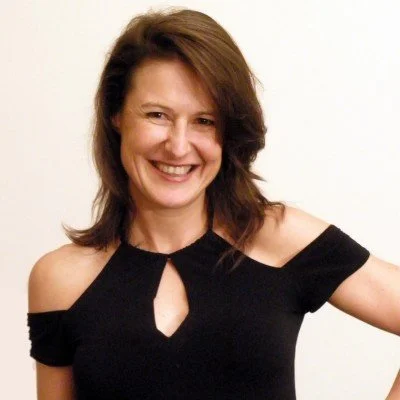
Dr Helena Popovic
Dr Helena Popovic MBBS is a medical doctor, author and international speaker who has spent close to two decades turning neuroscience into practical brain-health advice. She is the author of In Search of My Father, NeuroSlimming and Can Adventure Prevent Dementia?, along with the Brain Boosting Cards deck, and was a Sydney TEDx Fast Ideas finalist. Her shift into brain-health education followed her own father's decline. She put his withdrawal and confusion down to grief after her mother's death, until she found his Alzheimer's medication in the fridge; he was later diagnosed with a mix of Alzheimer's and vascular dementia. She now speaks and writes on the idea that brain function is shaped by daily decisions rather than fixed at birth, covering neuroplasticity, strength training, sleep, hearing and vision, and the research linking the shingles vaccine to a lower dementia risk. Connect with Helena Popovic
Facebook Books and products
-
00:00:00:00 - 00:00:01:20
Unknown
if your parents were
00:00:01:20 - 00:00:06:12
Unknown
exhibiting signs of early stage dementia or specifically Alzheimer's.
00:00:06:12 - 00:00:08:13
Unknown
Would you know how to spot those signs?
00:00:08:14 - 00:00:13:05
Unknown
Indeed. Would you recognize those signs in yourself, or maybe even your partner?
00:00:13:07 - 00:00:16:07
Unknown
And even if you did, do you know what to do about it?
00:00:16:09 - 00:00:31:17
Unknown
Our guest today is Doctor Helena Popovic, who is a medical specialist and author, a keynote speaker, a TEDx speaker, a podcaster on all things dementia, brain health, and how we manage turning stress into success.
00:00:31:17 - 00:00:43:04
Unknown
And she's on a mission to make sure everyone knows our brains are not fixed and managing and even reversing the signs and symptoms of dementia is within our own control.
00:00:43:05 - 00:00:52:06
Unknown
people often say, oh, he's just in his eyes. He's becoming a grumpy old man. That could be dementia, social withdrawal, irritability, apathy.
00:00:52:08 - 00:00:56:04
Unknown
so it looks more like he stressed he's tired. He's burnt out.
00:00:56:10 - 00:00:59:10
Unknown
Whereas it might might be the start of Alzheimer's.
00:00:59:12 - 00:01:05:01
Unknown
staying healthy is actually doing what you love with the people you love. It's that simple.
00:01:05:05 - 00:01:09:01
Unknown
It's not that I want to live longer for the sake of living longer. I don't want to live longer.
00:01:09:01 - 00:01:13:03
Unknown
If I'm going to be frail and in an aged care residence and not doing anything,
00:01:13:03 - 00:01:27:17
Unknown
Doctor. No. Welcome. So glad to see you. Thank you very much. Absolute pleasure to be here. Well, I've been looking forward to talking to you for a long time because we share some friends. But also, your topic is one that all of us are going to walk into one way or another, and that is dementia.
00:01:27:20 - 00:01:46:03
Unknown
It is such an important topic for our audience. What will our audience get from our conversation today? You will learn that the health of your brain is in your hands, that it's never too early or too late to improve your brain function. Because a lot of people consider dementia to be a disease of later life. It is not.
00:01:46:05 - 00:02:06:24
Unknown
It is actually the accumulation of how you've been living your life. Well, really almost from birth, but mostly from our 30s 40s onwards. It's what we do at that time in our life that determines the health of our brain as we age. And I want people to know that mental decline with age is not inevitable. It's a cultural expectation.
00:02:07:01 - 00:02:34:16
Unknown
In the Western world, it's not a cultural expectation in China. So it's not inevitable. Don't believe all the doom and gloom in the media about soaring numbers of dementia, because you can more than half your lifetime risk of ever getting dementia, depending on how you live your life. Unfortunately, most of the medical profession is still way behind the neuroscience, and they're unaware that of the huge difference you can make to the functioning of your brain just through lifestyle changes.
00:02:34:18 - 00:02:42:19
Unknown
So the reason people should listen is to to know how to stay as sharp at age 99 as they were at age 39.
00:02:42:21 - 00:03:02:04
Unknown
I take you back to 2010? Because this is a really relatable moment. I've heard you say you discover that your dad has something going on. When you noticed his Alzheimer's medications was in the butter of the fridge, that's the first time you knew anything about why he was on medications.
00:03:02:06 - 00:03:20:05
Unknown
And he said to his wife, as in, your mom, who was a doctor, gave it to him for his memory. So, you know, happy wife, peaceful life. Said he took her because she told him to. Yeah. And that was your first insight. And at the same token, you were someone who's an expert in this space. What was that moment like for you?
00:03:20:07 - 00:03:42:06
Unknown
I did not believe that my father had dementia. I thought my mother, as you said, who was a doctor, was overreacting to dad's minor symptoms. Who was just thinking. Look, I'll give it to him as prevention. Not that it works that way, but I just. I think when it's your father, you just don't want to admit that he has.
00:03:42:12 - 00:04:04:11
Unknown
At that point, I knew very little about dementia because it wasn't my area of expertise in medicine. And so it was a it was a death sentence and I just didn't want to face that. However, just in case, I did start paying more attention to any signs of dementia, and I took him to see neurologist for a full assessment because up until that time, I thought it was the grief and the confusion.
00:04:04:11 - 00:04:21:20
Unknown
And, you know, grief can and depression often masquerade as dementia, you know, because it has a similar effect on the brain. You just slow down, you're apathetic, you're not interested in anything. You're functioning goes down because your reason to function goes down. And so that's what I had put it down to.
00:04:21:22 - 00:04:25:20
Unknown
Perhaps at this point, though, I should define dementia to make sure we're all on the same page.
00:04:25:24 - 00:04:49:20
Unknown
So dementia is an umbrella term. It covers about 100 different diseases of the brain, all of which lead to a progressive decline in either memory, personality, vocabulary, even motor functioning, ability to do things that you used to be able to do, to do easily. And Alzheimer's disease is the most common type of dementia. That's why the two terms are often used interchangeably.
00:04:49:20 - 00:05:13:10
Unknown
But Alzheimer's is one type of dementia accounts for about 60 to 70% of cases. The second most common type is vascular dementia. There's Louis body dementia. There's frontotemporal dementia. I won't go through the other 96, but you get the idea. Dementia just means something's wrong with the person's brain. And then you've got to figure out which type. Although really the approach to them all is, is quite similar.
00:05:13:12 - 00:05:35:24
Unknown
So some small nuances. But overall, yeah, I mean they present differently, but you would treat them in a similar, similar way in terms of lifestyle interventions. And my father, when I did take him to be diagnosed and he had scans and he had the neuropsychological testing, he was deemed to have mixed our timers and vascular dementia, which is actually very common.
00:05:36:00 - 00:05:59:00
Unknown
Okay. Because I'm assuming that the vascular issues don't just stay to one part of the brain, they can go to different parts of the brain. That's right. Very often coexist and vascular, as the name suggests, is due to damage to small blood vessels in the brain. And the most common cause of that is having had a stroke or even mini strokes that you hardly notice, and having high blood pressure throughout your life.
00:05:59:02 - 00:06:16:09
Unknown
So for someone listening to this who parents are alive, so there are 4050 whatever their parents are alive. What kind of symptoms typically start that we should look out for? Or as you said, you didn't think you dad had anything because you hadn't seen symptoms, but then they would have started appearing later.
00:06:16:11 - 00:06:25:07
Unknown
you want to sort of compare, you know, normal memory lapses, glitches, the main difference comes down to how your symptoms impact your life.
00:06:25:09 - 00:06:48:11
Unknown
So it's how often the memory lapses occur. This is with Alzheimer's disease. Memory isn't the only thing that's affected. But let's just talk Alzheimer's. And it's how severe the memory lapses are. So examples of normal memory lapses would be just happens occasionally. It's when you're stressed, when you're distracted, when you're thinking of something else, when you're really tired.
00:06:48:13 - 00:07:09:06
Unknown
And you might not be able to remember something in the moment, but it will come back to you later. And it doesn't stop you from living independently. It just. I'm just not as quick as I used to be. No, that can happen. On the other hand, memory lapses that would signal dementia or could signal dementia is they start to get more and more frequent.
00:07:09:08 - 00:07:36:05
Unknown
You forget entire events. You don't just affect minor details. Oh, where did we have lunch? What was. What was that restaurant? No. You don't even remember that you had lunch with someone. So it's a big thing. You can't recall conversations. You constantly repeat, questions. You struggle to do things that require more steps. You find you can't balance your finances anymore, or you get very easily confused.
00:07:36:07 - 00:08:06:19
Unknown
You lose your sense of judgment. You're making weird decisions. You lose your sense of humor. There's also personality changes, mood changes. You put the remote control in the fridge. You know, you start doing strange things. Now, I must say that declining brain function isn't just dementia. It could be something quite reversible. Vitamin D, vitamin B12 deficiency, obstructive sleep apnea, medication side effects.
00:08:07:00 - 00:08:28:21
Unknown
The first thing I tell people to do. Well, if somebody comes in with any memory, tell me what medications you're on, including over-the-counter ones, because quite a lot of them, especially those that are called anticholinergics, those that help with bladder symptoms, some antihistamines, some antidepressants, they can reduce brain function. You stop them and the person goes, oh, it's like you've lifted the fog.
00:08:28:21 - 00:08:35:22
Unknown
which in a modern medical society, when we go to our GP or family doctor, we have a 10 or 15 minute visit.
00:08:35:24 - 00:09:04:23
Unknown
The doctor is pretty up against the try and diagnose all of those other areas. You've you've got to. You've got to have a quick checklist and then you've got to say, okay, we'll cover a few today and we'll just keep working through. Yeah. Can I go back to think you said about depression, it really struck me. You, your mom and dad came to Australia from Serbia in their 30s and settled into a new country with no English, and really grew an extraordinary life together.
00:09:05:00 - 00:09:26:05
Unknown
And then your mom passed. It'd be perfectly understandable for you to assume my dad is depressed because he's lost his lifelong partner. I can really understand why someone as a child or as an adult child watching their parent, go through a tough time would assume that. Yes. How long after that natural assumption should we start looking for other symptoms going?
00:09:26:07 - 00:09:49:09
Unknown
I wonder, is it still depression or is it something else? That's a good question. I would again, there's no timeline with grief. It's not like, okay, it's three months, then you should be over it. Grief can last years and years and I, I can tell you that from personal experience, having lost both my parents now, grief can just smack you in the face at the most inconvenient of times.
00:09:49:09 - 00:10:11:24
Unknown
I remember this was years after my mother had passed away. I, I was speaking at something at Sydney Olympic Park and I'm getting emotional even now. That was the first time I'd given a presentation and she'd driven me. I it's just and I arrived there and I just in the car park and I just burst into tears. I thought, I've got to hold myself together to give this presentation.
00:10:11:24 - 00:10:32:01
Unknown
But it was just because that whole scene reminded me of the last time she driven me to something. So anyway, all I'm saying is, grief can last. I think it's when it really when there's a few other things coming in and you're actually not functioning in terms of you just can't do things that you used to be able to do.
00:10:32:05 - 00:10:53:16
Unknown
thing you've said, which is give me a lot of relief already as a 56 year old man, I'm noticing I'm forgetting people's names, but I'm not forgetting anything else. I'm just beginning because I wouldn't worry about that. Names are the hardest thing to remember because there's no logic behind them. Our brain likes logic. The fact that you're called pod like, why are you called?
00:10:53:20 - 00:11:27:10
Unknown
I can't give a give my brain a reason to remember that your name is. I have to force myself to remember your name by linking it to something. And you're easy because I go pod the podcaster. Do you see what I'm saying? So you have to make up reasons to remember somebody's name? Yeah, I had thought that before because I do lots of, you know, group work and facilitation and conferences, and I will work really hard in the first hour to try and remember people's names by linking it to where they sitting in the row or what color jumper they're wearing, etc., something distinctive about them that you can relate to their face.
00:11:27:10 - 00:11:33:17
Unknown
If somebody is wearing glasses and her name is Gertrude, Gertrude and her glasses, you know, something like that.
00:11:33:17 - 00:11:51:04
Unknown
of the reasons I invited onto the show was a lot of the public conversation about Alzheimer's, specifically, is about women, because women have a higher risk and therefore there's a higher, a lot more women being treated for, for us, I think it's at the rate of twice the number of men.
00:11:51:06 - 00:12:12:03
Unknown
Two questions. Why is the risk higher for women? So that's the main question. And then but because the conversation is less often men are there stuff that we men are missing in the conversation because it's more geared towards women? Absolutely. Look, science is still trying to tease out why it's more common in women, but we think it's related to the abrupt drop in estrogen.
00:12:12:07 - 00:12:37:06
Unknown
Estrogen isn't just a reproductive hormone. It has a lot of different functions in the brain. And one of them is it helps us convert the food we eat into energy in our brain. It just helps out brain work more efficiently in terms of energy. So we think that the loss of estrogen may trigger an energy crisis in the brain, and it starts to sort of degrade its own tissue to provide the brain with more energy.
00:12:37:08 - 00:13:01:00
Unknown
And if a woman doesn't bounce back from that, that can lead to progressive decline. So we think it's related to the estrogen, the drop in estrogen. Also, if a woman has her ovaries out or her uterus out prior to menopause and she doesn't get menopausal hormone replacement therapy, she dramatically increases her risk of dementia. And a lot of gynecologists don't know that.
00:13:01:00 - 00:13:19:02
Unknown
So they don't list it as a side effect. You've got fibroids, you've got a lot of bleeding. Let's get you your uterus out. You know, you're 40. You're not going to have any more children. But that will increase your risk of dementia unless you get hormone replacement therapy. So so that's just an aside. So they have more risks from that point of view.
00:13:19:04 - 00:13:40:15
Unknown
Other things that have been postulated is perhaps and it's not because women live longer. If a woman has a head injury, it's going to have a more profound effect. Alcohol has a bigger effect on women than men, perhaps because women tend to play less sport than men. So there's so they have a few more risk factors in that that area.
00:13:40:16 - 00:14:05:21
Unknown
Also, keeping your brain sharp and giving yourself a strong sense of meaning and purpose and stimulation, mental stimulation. In the past, women stayed at home and didn't get as much stimulation from their work. Like, I mean, being a house housewife, there's still a lot of work, but it's less mentally stimulating than, you know, men acquiring skills in the workforce.
00:14:05:21 - 00:14:28:16
Unknown
So it could be that women in the past had less education than men. That could have been a contributing factor, that that would now be evening out. So that's why women might, might have have more cases of our timers. But in terms of, men, men often miss the early signs because they're less likely to experience memory loss as their first symptom.
00:14:28:18 - 00:14:59:01
Unknown
Oh, yes, brain imaging shows that in women, Alzheimer's, the pathology of Alzheimer's, the disease process heavily targets the limbic system, which is the brain's emotional and memory center. And that includes the hippocampus. You've probably heard a lot about that. Whereas in men, our time is frequently targets a different part of the brain called the neocortex, which is responsible for higher order thinking, planning, decision making, judgment, speech, sight and fine motor skills.
00:14:59:02 - 00:15:21:20
Unknown
So instead of forgetting past past events, a man, a man might lose the ability to organize his schedule, solve problems. He doesn't make sound judgments anymore. He's just not good at following instructions. He's not focusing as well. And we call that the frontal or disengaged variant of Alzheimer's disease. So men are more likely to get that.
00:15:21:20 - 00:15:42:05
Unknown
So it's more so it looks more like he stressed he's tired. He's burnt out. And so it doesn't raise red flags. It's like just take it easy, slow down a bit. Whereas it might might be the start of Alzheimer's. That's fascinating given that at least at least our audience, there's a high proportion who are in executive type roles.
00:15:42:11 - 00:16:01:01
Unknown
Yeah. And of course, when they retire, one thing, the first thing executive always says is I really miss the cognitive load. Yeah, that's what I miss about my job. Yeah. But what you're saying is once this kind of kicks in, it's that executive function is the piece that's missing. But in their mind, they're already missing it because they've left the work.
00:16:01:01 - 00:16:27:20
Unknown
So they may not realize this. Very true, very true. The other red flag, people often say, oh, he's just in his eyes. He's becoming a grumpy old man. That could be dementia, social withdrawal, irritability, apathy. So don't just say, oh, he's becoming a grumpy old man. No, no, no. If somebody in inverted commas becoming a grumpy old man, I would I would start to test for other signs of dementia.
00:16:28:01 - 00:16:45:12
Unknown
Well, my mate Alan, who might be listening to this, he and I go for a long walk every Sunday at Lincoln National Park and we call it ourselves the the grumpy old Man Walk test. How many things can we give out about? So now I need to just stop that in case we're getting dementia. No, it's fine to vent.
00:16:45:16 - 00:16:50:17
Unknown
It's if you're sort of set off by minor things that shouldn't really upset you.
00:16:50:20 - 00:17:11:04
Unknown
Can I go back to your comment about, one of the reasons why women might be higher rates of Alzheimer's is down to a lack of hormonal treatment post menopause or post over, surgery, etc. as as a lot of our listeners are, our partners are going through menopause.
00:17:11:06 - 00:17:28:09
Unknown
And for a lot of listeners to listen to this show, what we hear back is that's a major change in their life, watching their partner go through and experiencing some of the the symptoms that our partners go through. But you're raising the stakes a little bit more by going after that. There might be symptoms just to watch for.
00:17:28:09 - 00:17:50:11
Unknown
So for someone who's listening to this going, I wonder, like, how do I keep an eye out for my partner as opposed to watching for my dad or mom? I think, if as long as there are no contrary indications to taking HRT, if a woman is experiencing, you know, personality changes, mood changes, cognitive changes, I would do it.
00:17:50:12 - 00:18:14:10
Unknown
Even if she doesn't want to go on HRT long term. I would do a test. Just try the HTC for fixes, the symptoms, and if it does, you know. Okay, great. We know that it's hormonally related, so we don't. This is not dementia. Let's let's deal with that side of things. And all the things that prevent dementia also really help with menopausal symptoms.
00:18:14:10 - 00:18:17:17
Unknown
So you would be treating two birds with one stone.
00:18:17:19 - 00:18:40:01
Unknown
Very very it's almost word for word, the same conversation I would have with a woman in menopause and a woman having dementia. Right. It's a two for one deal. Yeah, yeah. And just just for men, the the major, the risk factors for men are a little bit different than for women, probably, because men are more likely to have repeated head trauma.
00:18:40:06 - 00:19:06:02
Unknown
So you've probably heard in the news a lot of, rugby players, soccer player, soccer players who had the ball, anyone who's had lots of concussions, boxers. This is where it was kind of first picked up. The boxes, a lot of boxes got out. Dementia, outsiders or Parkinson's disease due to repeated head trauma. And that's a specific type of dementia called CTE, chronic traumatic encephalopathy.
00:19:06:04 - 00:19:27:23
Unknown
And, you know, there's been major lawsuits in the US, the Ice Hockey League and their football league because they're not doing enough to protect men from getting those repeated head traumas. The other thing more men get the women is high blood pressure and midlife. So really look at your blood pressure. Stress is a major cause of high blood pressure.
00:19:28:00 - 00:19:49:13
Unknown
And I'll give you two tips that most people don't know about. Number one, sugar intake is a greater high. Sugar intake is a greater cause of high blood pressure than high salt. So cut your sugar before you cut your salt. And secondly, the best physical, best exercise to get your blood pressure down is isometric strength training. So that's doing a walk doing a wall sit.
00:19:49:15 - 00:20:04:23
Unknown
And it's because of the effect on your blood vessel walls. It produces the most nitric oxide, which relaxes and dilates your blood vessel walls and lowers your blood pressure. So do those wall sets. If you've got high blood pressure in a few minutes, I want to come to you've got loads of ideas about brain boosters and strength and hold.
00:20:05:03 - 00:20:26:04
Unknown
So I want to come to that. But before I move off, treatment as a medication treatment. Can you talk to me about shingles and the shingles vaccine? The reason why I'm asking you that is in I can't remember one of the newspapers or one of the TV shows in the last two weeks. The headline was Shingles Vaccines Australia are running out because we're using them very effectively for the treatment of dimension.
00:20:26:04 - 00:20:46:17
Unknown
I know you've done a whole podcast in this recently, so yeah. What's your view of this? It doesn't treat dementia. It reduces your risk of getting dementia significantly enough that I think it's worth having the vaccine. So my short answer is there's only one vaccine scene vaccine available today in Australia. It's called shingle. And it is more effective than the older version.
00:20:46:17 - 00:21:21:16
Unknown
You just need two doses. If you are over the age of 65, I think it is. It's free. If you're under 65, it's the two doses together might cost you something like 500, $600. But the earlier you get it, the better. And it's because, we, we believe that the shingles vaccine doesn't only prevent reactivation of herpes virtually zoster, but it may also prevent as a sort of side effect reactivation of herpes simplex.
00:21:21:18 - 00:21:41:19
Unknown
And both of those viruses have been implicated in causing chronic inflammation in the brain, which can go on to lead to dementia. So do you think everyone should take it? Is there a starting point where you're recommended from this age for which you should consider it 50? Okay, yeah. Because because the government, as you said things at 65, therefore it's free.
00:21:41:20 - 00:22:04:09
Unknown
They're thinking of lowering the age. And I would agree with that. Right. Yeah. So anyone who's who's concerned that you might be a potential candidate for a step is going to get some shingles and mitigate against that and also keep, keep on top of your dental health because, Paul from Ernest Gingival is the bacteria that causes gum disease.
00:22:04:09 - 00:22:30:09
Unknown
And several other bacteria can travel to your brain, and they produce toxins called gingy pains, which have been found in the brains of people with Alzheimer's. So when they do an autopsy, just about all of the, like, almost 90% of them have these ginger pains in their brain. So keep it and produced by gum disease gingivitis. So make sure you got good dental, dental health and also just the general inflammation.
00:22:30:10 - 00:22:52:17
Unknown
I mean, gum disease actually increases your risk of heart disease, type two diabetes, high blood pressure. We now realize that that inflammation in your mouth doesn't stay in your mouth. It causes widespread information inflammation throughout your body. So that's another one. And the other two more like quick things that if you want to look easy, fixes midlife hearing loss.
00:22:52:19 - 00:23:19:02
Unknown
My father had hearing loss. I don't know why people are so resistant to wearing hearing aids. It's like I need glasses. I've needed glasses since I was 18 years old. Please wear hearing aids if you need them. Get your hearing tested. Because midlife hearing loss midlife sort of between 40 and 60. If you don't get your hearing looked at, it means that your auditory cortex, the part of your brain that processes sound, isn't getting stimulation so it shrinks.
00:23:19:04 - 00:23:39:11
Unknown
But by shrinking, it loses connection with a lot of other parts of your brain. So they don't get stimulation either. So it's this cascade of your brain will start to atrophy. That's a fancy name for shrink. Yeah. It's someone who does wearing a hearing aid. And I got it last year, and I wasn't even aware that my hearing loss was deteriorating.
00:23:39:13 - 00:23:56:13
Unknown
And I actually went to get a test for a different reason. Then I went, oh, my hearing is 40% of what it should be in my right ear as long as the wrong version. In hindsight, I look back and I didn't even realize how many conversations I wasn't even in. Yes. And that kind of, you know, pulling back from life.
00:23:56:14 - 00:24:22:07
Unknown
That's exactly that was going to be the other thing. When you don't hear, when you don't see what's also, if you have cataracts, get cataract surgery, get your cataracts out. So you your vision is as good as possible because I diseases not short alongside. So needing glasses to read that does not increase your risk of dementia, but having macular degeneration or the worst one would be diabetic retinopathy massively increase your risk of dementia as well.
00:24:22:07 - 00:24:26:23
Unknown
So look after your eyes, look after your years because you're you're right. You withdraw from life.
00:24:26:23 - 00:24:40:04
Unknown
Alcohol is the other one. I just sort of have to clear this up because men were men, and women do tend to. Actually, women in their 50s are the highest, biggest drinkers at them at this time in history.
00:24:40:06 - 00:25:04:17
Unknown
The government says ten standard drinks a week for a woman and 14 standard drinks a week for a man. That is just utter, outdated nonsense. Four standard drinks a week. And what is a standard unit? Oh, exactly. I think most people would think a standard unit is a pint. It's not. It's. Yeah, I don't know how to work in pints, but ten grams.
00:25:04:17 - 00:25:26:09
Unknown
So 100ml of wine. 100. Yeah. 100 of wine. That is one standard drink. When you pour a standard drink at home. I bet it's probably twice that. At least that. And so more than four a week starts to shrink your brain and triple your risk of dementia. So. So alcohol is a big deal because we have such a drinking culture.
00:25:26:10 - 00:25:51:16
Unknown
Not to mention that it's it's it's a documented carcinogen. It causes more than ten different types of cancer. Breast cancer is a big one. But yeah. So you've given us six different tips already. We're only a few minutes in. Then do wall sits while you're washing your teeth. So therefore you're thinking if you're a woman, consider hate or tea because it will solve a lot of different things at the same time.
00:25:51:22 - 00:26:05:00
Unknown
And then proactively check your hearing and check your eyes and check your sleep and check your sleep and alcohol will ruin your sleep. So exactly right. And alcohol increases your risk of obstructive sleep apnea as well. Great tips.
00:26:05:00 - 00:26:27:17
Unknown
Can I interrupt you for a second? I hope you're enjoying that episode. We have some great episodes lined up over the next couple of months, and I want to make sure that you get every single one of those into your feed. The only way I can guarantee that is if you're subscribed. So can you just pause for a second and either press like or subscribe on whatever platform you're listening to or watching this on?
00:26:27:18 - 00:26:35:08
Unknown
Then I know you're going to get the episodes that I've already recorded, and I'm excited about coming to you. Back to the show.
00:26:35:10 - 00:26:39:20
Unknown
know you're going to give us some brain booster ideas in a few minutes, but I want to ask you a question about the brain.
00:26:39:21 - 00:27:00:22
Unknown
Right. So clearly this is a this is a neurological issue. It's a brain issue. Given everything you've learned over the last number of years since you started with your dad, and now you've become a real expert in this space. What would a man in his 40s need to know about his brain? That if he knew that it would help him, which much later?
00:27:01:01 - 00:27:21:07
Unknown
I'll give you two things. Quite different things. The first one, and this is going to come out of seem to come out of left field, but that our beliefs have a huge impact on our biology, a person's attitude, a man or a woman's attitude to aging influences how they age on multiple levels. So let me give you a famous experiment.
00:27:21:08 - 00:27:48:21
Unknown
1968 researchers from Yale School of Public Health in the US. Question 386 healthy men and women, with an average age of 36 on their attitude to aging. And they did so by asking them, 16 statements such as. And they had to say, give them that. They gave them 16 statements about aging, and they asked them to rate from 1 to 5 whether they agree or disagree.
00:27:48:21 - 00:28:06:03
Unknown
And they were things like, and I want you to think and give me your answer on a scale of 1 to 5 one disagree, 500% agree. Let's do it now. Old people are helpless. Disagree completely. Things go steadily downhill as you age.
00:28:06:05 - 00:28:44:04
Unknown
1 to 5. Two. Okay. As you get older, you become less useful. One. And old age brings increasing aches and pains. What it can do. So 2 to 3 okay, so they scored their attitude to aging. And then the participants were followed for 38 years. And in that time 70% of people who strongly agreed with most of the statements, 70% had had a heart attack or stroke or some other serious cardiovascular event, compared to only 15% of people who didn't believe things would go downhill as they age.
00:28:44:05 - 00:28:58:03
Unknown
Who said, no, I'm going to be touring the world. I'm going to be cruising. I'm finally going to be, you know, rid of all my obligations. I'm going to be able to do what I want. I'm going to set meaningful goals. I've got all the whole lot of things already lined up, and I'm not going to let anything get in my way.
00:28:58:03 - 00:29:21:20
Unknown
And no, I don't think it's I'm not going to get aches and pains because I'm going to keep exercising and I'm going to do stuff. Only 15% of those people developed a serious cardiovascular condition, and they ruled out the effect of genetics, family history, smoking, obesity, type two diabetes. So they ruled out things that would have predisposed them.
00:29:21:22 - 00:29:41:20
Unknown
And the only thing that differentiated the two groups was their attitude to aging. If we had a drug that reduced our risk of heart disease by 55%, from 70% to 15%, we'd all be taking it. So be careful what you think and really continue to set meaningful goals. And really, I don't celebrate aging. Oh, I don't want any birthday.
00:29:41:23 - 00:29:59:10
Unknown
I don't want any candles on my cake. Yes, I do, and what I'd like you to do is, however many candles on your cake, I want you to write down or type up that many things that are that are great about the age you are now. Oh, I love that. Yes. So I'm 72 and here's 72 ideas. Exactly.
00:29:59:13 - 00:30:23:13
Unknown
So if we have a if we celebrate aging like Okinawans in Japan, they are one of the longest living nations in the world. They associate aging with wisdom, with experience with you know, they have the. I was an exchange student in Japan 18 when I was 18 years old. So many years ago, things might have changed. But in those days, the the, you know, three generations lived together.
00:30:23:15 - 00:30:43:07
Unknown
The grandparents said at the head of the table, the grandparent was involved in all the decisions. The grandparent got first bid on the big bath that we all shared. And so they're not, you know, so they associate aging with high status. And we associate aging with irrelevance. And we want to hide it. And everything in our culture is anti-aging.
00:30:43:07 - 00:31:04:19
Unknown
That is actually driving poorer cognition and poorer physical function as we age, the belief that we will. And then it becomes a self-fulfilling prophecy. If what you expect, you get. Pretty much. So that's the first thing I want to man in his 40s to know that your view of aging is going to influence how you age. Before you go and go, just say one thing to validate what you've just said.
00:31:04:21 - 00:31:25:21
Unknown
Our podcast is a year old today is, you know, the name. Congratulations. Thank you. The name donut, the old man name lands really well in Western countries. And people get as straight away in Japan does not work. And the feedback we've had is why would you not want to let the old man in? Because they are really wise.
00:31:26:02 - 00:31:52:20
Unknown
We want them in the room. Isn't that wonderful? So you've just just just validated against it. And by the way, just just another point on that, that study, people who had a negative attitude towards aging also had significantly worse memory. Oh, so it even affects how our brain functions, you know, and it was significant, you know, so what's the second idea?
00:31:52:24 - 00:32:18:23
Unknown
The second idea is, that during his 40s, a man's brain actually undergoes a massive fuel and rewiring shift. And what that means is his daily habits at that time decide whether his brain is going to thrive or decline going forward. So think of your 40s 50s not as the start of inevitable decline, but as a critical midlife crossroads for your brain health.
00:32:19:01 - 00:32:47:07
Unknown
Because what's happening is that around age 40 to 43, your brain begins to change how it processes, processes, its main fuel source, which is glucose. So if you're eating sugar, refined starches, carbohydrates, ultra processed foods, your brain will start to deteriorate. No questions asked. So I think folks, you know, get really strategic about your food. And I'm not saying don't eat sweets and don't eat.
00:32:47:08 - 00:33:07:14
Unknown
You know, birthdays happen once a year for a reason because we're not supposed to eat cake every day. And my dietary advice is simply eat real food. You can eat whatever. It doesn't matter whether you're, vegan, vegetarian, omnivore, or carnivore as long as you eat food that's from the land, from the sea, from the sky, or from a tree.
00:33:07:17 - 00:33:25:17
Unknown
Not from a packet, not from a tin. If it comes in a box, I'd throw it in the bin. Of course, it is more nuanced than this, but if in doubt, give the product of this ultra processed foods. Junk foods just destroying our brain machine gun fire to our brain and soft drinks. Every soft drink is a bullet to your brain.
00:33:25:17 - 00:33:38:05
Unknown
So what you put into your mouth? Our brain is only 2% of our body weight, but it uses 20% of our energy. It absorbs 20% of the nutrients in our food. So what you eat really matters.
00:33:38:07 - 00:33:51:17
Unknown
There's two things I want to say to what you just said, though, the notion of what you think in your view of aging, this whole podcast are hypothesis is the second half of life can be the best half of life, but you've got to choose it.
00:33:51:20 - 00:33:58:02
Unknown
And so you've you've that began study. You've just quoted. It's a lovely validation of that whole life. So thank you for that.
00:33:58:02 - 00:34:14:06
Unknown
notion of sugar. A few months ago we had a really, really interesting lady on here called Jessica Turton, who's a PhD in her specialty is type two diabetics. And treating it with, low carb diets.
00:34:14:07 - 00:34:42:19
Unknown
100% agree. Yeah. So fantastic. You can cure it within days. Well, on the back of my interview, I rang her up. I said, can I have a concert with you? And I've been working with her as her patient now for a little while, and I won't go into too much detail, but on the back of going on to high protein, high fat, low carb diet, three meals a day, and 90% compliance, meaning as 21 meals a week or two meals a week if you want to go out of that.
00:34:42:19 - 00:35:07:05
Unknown
Okay, but 19 meals a week, it's this. My blood sugars have stabilized amazingly. Yeah, my fasting instant have come back not quite at the normal range, but come back in six weeks. Yes, my course levels are better, my LDL levels are better, and that's just a dietary change with specific going do this. Yes, it's 100% agree with her.
00:35:07:07 - 00:35:33:18
Unknown
And it's because our brain becomes less efficient at metabolizing glucose for fuel. So we need another fuel source to make up for that deficit, ketones, which we can only produce when we eat a very low carbohydrate diet, provide fuel for a starving brain. And also just, you know, a low carbohydrate diet, less inflammation. You lower your insulin resistance.
00:35:33:18 - 00:35:49:09
Unknown
And our Thomas has been called type three diabetes because the brain can also become insulin resistant. Now, the brain does not. Every part of the brain needs insulin to absorb glucose. But insulin is still very important in terms of how our brain uses energy.
00:35:49:12 - 00:35:54:07
Unknown
you talk about neuroplasticity? Yes. Change the topic completely. It's the foundation of your work.
00:35:54:07 - 00:36:17:03
Unknown
The brain is constantly changing. And from memory, correct me if I'm wrong. The notion of neuroplasticity as being the reality of what we do is relatively new in terms of like it's 20 or 30 years old, I think. Yes, for those of us who haven't heard the word, what is it? But from your experience of what surprised you the most about the brain and how it can change itself and how it reacts?
00:36:17:08 - 00:36:43:01
Unknown
Neuroplasticity comes from two words neuron meaning brain cell and plastic, meaning malleable or able to be molded. And basically, neuroplasticity means that our brain is constantly changing in response to what we do, what we think, what we believe, what we eat, how we live our lives we can grow. So neuroplasticity means we can grow new brain. You know, when we say the brain can change, what does that mean?
00:36:43:02 - 00:37:04:05
Unknown
Means we can grow new brain cells. We can make new connections between brain cells. Our brain can establish whole new circuits. We can change blood flow to our brain just by what we're thinking. And so, so and this was so not what I was taught in medical school. We were taught that the brain that you're born with, we're stuck with that.
00:37:04:09 - 00:37:27:24
Unknown
All the neurons you're ever going to have, you got at birth. And there's nothing you can really do to change that. Well, that is just so wrong and so out of date. Probably the best example is stroke people who have had a stroke. We used to think that if somebody had a stroke paralyzed part of their body, if they didn't get better after a few months of rehab, they probably probably never would.
00:37:28:01 - 00:37:55:21
Unknown
We now know that with a specific intense form of therapy known as C, I'm T stands for constraint induced movement therapy. Cells from undamaged parts of the brain can reorganize themselves and take over the lost functions. And the way they're going to do the way that SIM t works is let's just say this was my paralyzed limb, and this is my good limb, the strap up the arm for all this waking hours, and they're not allowed to use that arm.
00:37:55:21 - 00:38:13:24
Unknown
They just got to somehow manage under control conditions so they get help. Try and try and use that arm and they'll go, but I can't. It's paralyzed. So they'll put a glass of water just a few millimeters in front of the paralyzed hand. And I'll say, just try and touch that glass. And they touch the glass. Push it a bit further away.
00:38:13:24 - 00:38:41:17
Unknown
They've got to touch it again. They practice these things for hours a day. 3 to 6 months later, they've regained use of this limb because use it or lose it, train it and regain it. That's something we never knew before. And when they scan the person's brain, they can see their brain looks so different that either surrounding cells or other parts of the brain have just sent out new nerve fibers so that they can regain use of that paralyzed limb.
00:38:41:19 - 00:38:50:13
Unknown
it doesn't matter if your stroke was ten days ago, ten months ago, or ten years ago. Oh my goodness, this will still work.
00:38:50:15 - 00:39:01:00
Unknown
Which goes back to your point of the way you think really influenced. I mean, what you're saying here is you think, you're forced to think in the case of yes, you can.
00:39:01:01 - 00:39:25:05
Unknown
Yes. We're constraining your inverted commas. Good arm to force you to use your other one. But the constraint means you're forced to see, okay, I have no choice. So how do I do it? And then you start figuring out how do I do it? Which means the way you think influences everything. Yes, it's quite extraordinary. It is the other, what I think is really amazing, very happy about it because I like exercise.
00:39:25:07 - 00:39:50:09
Unknown
Is that so far? And there might be other things that do it too. But so far it's been the most research thing. Physical exercise, both Arabic exercise and strength training, actually increase the volume of the hippocampus. Remember, that's our learning and memory warehouse. One of the things that's one of the major parts of the brain, that starts to deteriorate in Alzheimer's.
00:39:50:09 - 00:40:12:03
Unknown
They've done study after study after study, Arabic exercise. And it doesn't have to be extreme 20 minutes a day. You know, just the standard recommendation. You've got to get to moderate to high intensity. But 20 minutes a day, we know halves your lifetime risk of dementia. And it actually increases the size of size of your brain. No drug can do that.
00:40:12:06 - 00:40:18:23
Unknown
Brain boosters. Yes. You've already given us quite a few different ideas, but do you specifically talk about brain boosters?
00:40:18:23 - 00:40:28:17
Unknown
And recently you were New Orleans and you said you shared photographs, and I've been to New Orleans and, I shared photographs with my family, but I suspect it wasn't for the same reason you did.
00:40:28:20 - 00:40:51:11
Unknown
You had a range of reasons for sharing photographs. One of them was from a brain boosters perspective. Tell us what that is. I wanted to make the point that things that we don't expect can be a brain booster, for example, experiencing or and wonder or and wonder sort of nebulous term, but it's kind of something that stops you in your tracks.
00:40:51:11 - 00:41:31:21
Unknown
Suddenly you are aware of the vastness of the universe and you just being this tiny speck in it. You feel more humble, but you also start to feel more excited about life and curious. That affects our brain in profound ways. You know, research papers and books have been written about it. So one thing that experiencing or and one day is and that's just, you know, going to a foreign country and just seeing this amazing thousand year old building, for instance, or looking up at tall trees or looking across the Grand Canyon or just seeing something really unexpected, or a flower that you've never seen before, or piece of music that just transports you all of
00:41:31:22 - 00:41:57:20
Unknown
that, or in wonder, and that one of the things it does is it dampens down our default. It affects our default mode network in our brain. And what that means is suddenly it it lowers self focus, rumination, self-criticism, and we just become more open to new ideas. It also or reminder have been found to reduce inflammation to lower depression.
00:41:57:20 - 00:42:19:14
Unknown
It makes us want to connect more positively with other people. It makes us more generous when they take when researchers have taken people out and given them or or inspiring experiences, say they take them out and to somewhere where they've never seen the Milky Way so full of stars. And then they kind of casually, oh, you know, we've got this charity.
00:42:19:15 - 00:42:40:04
Unknown
Would you like to donate to charity? They're more likely to donate and more likely to donate more money to charity after an experience of. Or we just feel more connected. We we want to contribute more. It just changes. So that's an unexpected brain booster. The other the other points I wanted to make was Adventure Prevents Dementia, title of my book.
00:42:40:06 - 00:43:03:03
Unknown
That travel for so many reasons boosts our brain. Number one, it takes us out of our comfort zone so we're not operating on autopilot. Everything is stimulating. Just getting out of bed and finding your way to the to the bus stop, or learning new things into trying new foods. Our brain thrives on novelty, and that's something that that travel gives us.
00:43:03:03 - 00:43:29:23
Unknown
But you don't have to travel. It's just break out of your Hibbett your routines and seek out novelty in your life. Try new recipes. You know, acquire new skills. A really great one that, a great brain booster that combines mental stimulation, physical stimulation, social stimulation, which is another huge one. Good relationships essential, but I'll get on to that in a moment.
00:43:30:00 - 00:43:53:22
Unknown
A dancer day keeps dementia away, and I want to plug that one for men, because they're less likely. They are more likely to feel more reluctant to try learning dancing new skills. And it's usually the woman says, come on, a dancer keeps dementia away. Learn dancing because it's so stimulating on so many levels art, music, whether it's learning a musical instrument or even just visiting, you don't even have to be playing.
00:43:53:24 - 00:44:20:18
Unknown
But just expose yourself to beautiful music, beautiful art. If you do it yourself, all the better. But even just going to an art gallery and just looking at pictures that are or inspiring will boost your brain. Spending time in nature is another huge brain booster for so many reasons. Firstly, we found that whenever we inhale.
00:44:20:20 - 00:44:45:22
Unknown
Find, you know, chemicals, fight on sides. They're called, given off by trees. It strengthens our immune system. It lowers our blood pressure, it reduces inflammation, it improves our mood. Secondly, you know how we have a microbiome in our gut with over our whole body? There's also an aero biome. And our microbiome loves interacting with the aero biome.
00:44:45:22 - 00:45:12:12
Unknown
So you'll improve your gut health. Just by my side. Outside in nature. Sunshine, vitamin D. So for all those, you know, for all those reasons, travel, novelty, physical exercise, mental stimulation, social stimulation, are all massive brain boosters. You remind mining is something that I hadn't connected to. And two and two to get her to get six.
00:45:12:14 - 00:45:36:20
Unknown
I am my wife and I are part of a roving dinner party, and the idea is really simple. It's for couples and the alphabet, and the idea is every I think it's six weeks or eight weeks or thereabouts. It's someone's house. And the depending on the letter of the alphabet. In terms of what country are food are we cooking for?
00:45:36:23 - 00:45:56:12
Unknown
Yes. And so the household that's hosting, they cook the main meal from that country. But there are three couples bringing entrees or desserts. But it's got to be from the country. So one we've been going six months, which means we're I think we're up to letter F now. I think it is. But the idea is, well, you can do this for rest of our lives and just chase what the other that is.
00:45:56:15 - 00:46:14:20
Unknown
But what's what's emerging from it is less about the actual food. Although that's fun because you got to go and explore a recipe and stuff. But the the social contact is there, the cognitive contact that we're exploring recipes and try and stuff. The fun is there will go to different houses each time. So it's not the same restaurant, whatever.
00:46:14:22 - 00:46:21:09
Unknown
And it's often a simple idea of how do we just get together more often so that anyone can do that? Absolutely.
00:46:21:11 - 00:46:34:21
Unknown
Here's the thing boosting your brain. And by the way, brain health is body health. There's no difference. If you could just you could ask me tomorrow. We don't want to learn about the brain. We want to talk about how to stay physically healthy.
00:46:34:21 - 00:46:59:17
Unknown
I would tell you exactly the same thing. Really. But where I was going with, with this was staying healthy is actually doing what you love with the people you love. It's that simple. And we don't realize that if we just followed our bliss for want of a better term, we would be healthy. It's the stress. It's the lack of sleep, you know, it's the anxiety.
00:46:59:17 - 00:47:14:05
Unknown
It's the no time for exercise, and I don't have time for it to catch up with my friends because I'm too busy doing a job that I don't want to do just to pay a mortgage that's I can't afford. It's all those stresses that you wrote our health. It's not living the good life
00:47:14:10 - 00:47:22:10
Unknown
be a lot of people listening to this going, oh, I used to go to the gym, but I don't any longer. Why should they go to the gym now? Because we don't get weak as we get old.
00:47:22:14 - 00:47:31:04
Unknown
We get old if we allow ourselves to get weak, that's really important. Yes. In other words, from our mid 30s onwards,
00:47:31:09 - 00:47:49:20
Unknown
if we do no strength training, men and women will lose about 8% of their muscle mass every decade. So if you do the maths, that means for decades later in your 70s, you've lost a third of your muscles potentially right now.
00:47:49:21 - 00:48:15:17
Unknown
Why does that matter? The obvious reason is without any muscle strength, you become frail. You need a walking stick. If you fall over, you're much more likely to fracture something. So physically, that's not good. But what most what we've only recently discovered is that when you build muscle tissue, you're also building brain tissue that the that a person's hand grip strength tends to reflect their overall body strength.
00:48:15:18 - 00:48:36:09
Unknown
Assuming you haven't had recent hand surgery and the stronger their hand grip strength, it equates to better performance in Euro psychological testing. Faster processing speed, better vocabulary, better memory. So there is a direct correlation between the strength of our muscles and the strength of our mind. So it's not just the size of our muscles, but the strength of our muscles.
00:48:36:11 - 00:49:00:10
Unknown
And these things will decline if we do not work on them. A study on US firefighters found that if you can do 40 push ups nonstop, you're more than half your risk of a cardiovascular event or dying early compared to someone who can only do less than ten push push ups. So that's a great goal. 40 push ups start on the wall.
00:49:00:10 - 00:49:08:20
Unknown
You don't have to achieve it tomorrow. Make it your goal by Christmas or your next birthday, or whatever it is to be able to do 40 push ups nonstop.
00:49:08:20 - 00:49:20:22
Unknown
So that's why strength training is really important. Unfortunately it's not. Everyone knows that they should exercise and they roll their eyes at it. But strength training is not on the top of people's radar.
00:49:20:24 - 00:49:44:04
Unknown
And I think a lot of people are resistant, one, because they don't believe it's going to do them that much. Good, because they haven't been taught that muscle mass equals brain mass, men and women. But I think men especially want to avoid the meat head stereotype, because for decades, lifting weights was marketed almost exclusively bodybuilding for vanity.
00:49:44:05 - 00:50:04:06
Unknown
Yeah. So it's like, I don't want to look like a bodybuilder. So it's just a superficial pursuit. So it's not a superficial pursuit. And I think the other resistance to to strength training is cardio is easier to say. If you want to do a rabbit, you just put on some shoes and go for a walk. Go for a brisk walk.
00:50:04:06 - 00:50:24:16
Unknown
It's easy. Get on a bike, go for a swim. Whereas strength training, you might have to learn new skills. You might have to walk into an intimidating environment. A man who say used to be fitter and now over the years has let it slide because his work has taken over. It might be very intimidating. He feels very vulnerable.
00:50:24:18 - 00:50:43:10
Unknown
I'll never get back to what I was. And it's just I just thought too hard. But it's worth the effort and it doesn't take much effort. As I said, you know, any amount is more than none, none, none. So any exercise is more than is better than no exercise. And let me just tell you another quick thing on the aerobics front.
00:50:43:12 - 00:51:07:07
Unknown
They looked at people who did zero exercise can like just didn't move at all compared to older people who did cumulatively one minute of exercise a day and that could be cumulative 10s 20s plus 30. Correct. And but it's not conscious. It was like they hear their granddaughter crying upstairs. So they ran up the stairs. Oh, they're going to miss the bus.
00:51:07:07 - 00:51:35:20
Unknown
So they just quickly run for the bus. They're carrying heavy, heavy shopping bags to the car so tensor can see 20s there. One minute. That person, those people had a 38% less likelihood of dying during that study period than those who did no exercise at all. So from going from 0 to 1 exercise to one minute, going from 0 to 1 minute of exercise a day, even that makes a difference.
00:51:35:21 - 00:52:00:14
Unknown
Now, if you go from 59 minutes to 60 minutes a day, that's not going to make a difference. You know what I'm saying? So any increase on one minute and back to the strength training. There was a study some years ago done on 90 year olds who were in an aged care facility. They all needed some kind of walking aid, whether it was a walking stick or a walker or even, you know, wheelchair.
00:52:00:16 - 00:52:27:04
Unknown
And because they were frail and they introduced strength training, and these people had not done any strength training before. Okay. And that was adapted for their ability. It was using the pneumatic machine. So the so not not the, the heavy weights, but they progressively helped them along to use more and more resistance. I can't remember how long the study was, was only a couple of months.
00:52:27:06 - 00:52:49:00
Unknown
Every single one of them increased their strength significantly, and most of them were no longer needing the walking stick or the walker. Wow. Even if you've done zero exercise and you start at age 90, you can make a really positive difference to your life. In many parts of what we call that a miracle. It thrown away your walking stick, right?
00:52:49:00 - 00:53:00:10
Unknown
Yes, exactly. People go to lyrics for that kind of thing. Yeah, exactly. So your answer is pick up a heavy bag and lift it. Or pick up a bicep or a dumbbell or a pickup or what it is, and just learn to lift.
00:53:00:16 - 00:53:03:07
Unknown
other thing too. Sorry. Some men will say to me.
00:53:03:09 - 00:53:26:08
Unknown
Look, I've got, a physical job. You know, I work on my feet, I do manual labor, so I don't need to go to the gym. That is better than having a sedentary desk job and not moving at all. However, there is a difference between just casual physical activity and progressive overload, which is forcing a muscle to work against increasing resistance.
00:53:26:10 - 00:53:38:15
Unknown
So you've got to keep pushing yourself further and further. You know, our brain benefits the most when we push our muscles to near failure, because that's what triggers the chemical cascade needed for neuroplasticity.
00:53:38:15 - 00:53:48:11
Unknown
This is linked, but not the exact same thing. I've been, I'm doing a thing called hierarchs in a in a number of weeks time, and that's got a fair degree of lifting in it.
00:53:48:11 - 00:54:09:24
Unknown
So I've been watching lots of videos on technique, etc.. So farmers carry is a thing where you just carry two kettlebells. Yes. And it's designed to build up and strengthen your wrists. Right. Which, which you said is really, really important. This particular video was on a group of plumbers who are very, very healthy, very, very active, do a lot of physical stuff on the job.
00:54:10:00 - 00:54:30:16
Unknown
And they were training specifically with that exercise. And what they were saying was just doing, I think, I think they had 24 kilos. So they for 50 kilos, approximately in total, 100 meter walks ten times a day. That's it. That's all they did. Yeah. That changed in terms of overall physical fitness had dramatic impact on them even though they were already pretty fit.
00:54:30:18 - 00:54:51:00
Unknown
But linking to what you said, two of them said, I actually feel much sharper, cognitively sharper after doing that. So I can't tell if it's true or not. But I think I am. I feel that I am, and that's just one strength exercise. Our brain works at its absolute best in that first hour after we engage in any sort of physical activity.
00:54:51:02 - 00:55:15:05
Unknown
Some schools in the US have introduced the, the one mile walk or one mile run prior to kids doing their exams because they do better. And if you don't want to go to the gym, you don't have to go to the gym. Just Google strength training using my own body weight and, you know, squats, lunges, push ups, dips, planks plenty you can do at home.
00:55:15:05 - 00:55:29:12
Unknown
Doctor, you've given us so much to think about. You've given us brain boosters, given us symptoms to look for you, give us a way to mitigate against potential diseases being fantastic. I really appreciate that. Is there anything that I haven't asked you that I should have asked you?
00:55:29:14 - 00:55:36:10
Unknown
Why isn't this common knowledge? Why isn't brain health at the top of people's agenda?
00:55:36:12 - 00:56:08:10
Unknown
Our brain rules the show of our lives, so why aren't we talking about it more? And I'm quite glad you didn't ask me, because I don't know the answer. Except that I think it's because it does take decades for research to translate into medical practice. And I think that the, the, the education around you can't change. Your brain was so ingrained for so long, it's really hard to get people's head around that you can actually make a positive difference.
00:56:08:12 - 00:56:31:12
Unknown
And I think the other the other reason we're not talking enough about brain health is because we have a pill for every ill culture, and but there is no pill. I mean, yes, you'll read about this supplement and that supplement boosting your brain. Nothing boosts your brain as much as just getting just eating real whole food is going to be better than any supplements.
00:56:31:12 - 00:56:54:12
Unknown
And really, I don't know any supplements that really do work if you are iron deficient, if you are B12 deficient, if you are vitamin D deficient, then take the vitamins to get you to normal range. But supper normal vitamin levels do more harm than good. So because we have a pill for every ill culture and there is no pill to treat a degenerating brain.
00:56:54:17 - 00:57:19:05
Unknown
I think that's why we're not talking about it, because I can't prescribe anything for you. And I'm like, but yes, you can prescribe. I actually do on a script pad, prescribe sleep, exercise. You've got to ring, you know, three friends this week. You've got to at least have physical go out, you know, catch up with a friend in person, one on, you know, at least once this week I will write these things down as a prescription.
00:57:19:05 - 00:57:49:16
Unknown
I prescribe lifestyle I don't prescribe well, I do prescribe medicine if it's absolutely necessary, but I so that people take it seriously. How does that land? Very well, because people go. This made me realize that this is actually medicine. You know that just because something doesn't come in a pill doesn't mean it isn't powerful that, you know, music, art selling, stress management, social stimulation.
00:57:49:16 - 00:58:12:07
Unknown
And by the way, you know, divorce and widowhood, you know, for men is divorced or we don't that increases his risk of dementia. So make sure you keep that strong network of friends around you. You probably come across the, at Harvard study, psychiatrist Robert Walden. Yeah. They wanted to answer the question. What is the greatest predictor of a long, happy, healthy life?
00:58:12:10 - 00:58:41:01
Unknown
And they looked at everything socioeconomic status and and and food and smoking and alcohol and drugs and exercise. And the most powerful thing that predicted a long, happy, healthy, dementia free life was good relationships. So put all your effort put, you know and and that then see good relationships is like the first domino. If you've got good relationships, you're more likely to go out and experience fun things.
00:58:41:01 - 00:58:48:11
Unknown
You're more likely to eat better food. Yeah, because you're eating in company. You're not going to go to Macca's. You're going to make a bit of an effort.
00:58:48:11 - 00:59:04:18
Unknown
know, I was at a function last night, a storytelling function in a in a brewery and a brewery that had a restaurant, and I think a team of the 19 items on the menu had some degree of chips of some kind.
00:59:04:19 - 00:59:25:18
Unknown
Yeah, the 91 was a salad. There's five of us there. We're all trying to get healthy, but we're in a brewery. The first guy goes, I'm going to have the vermicelli salad plays with some chicken on the side. And we all looked at them going, okay, we'll all do what he said. Yes. Oh yes. You know, culture, you know, social reinforcement.
00:59:25:18 - 00:59:49:09
Unknown
You're so much more likely to exercise if you exercise with a friend, if you commit to, you know, I'll meet you at the gym and or we'll go for a walk together or we'll do yoga together or whatever. Yeah. Fantastic. Yeah. This has been brilliant. What is your final words of wisdom or tips for our listeners today? Number one, do not believe any health professional that tells you there's nothing we can do for your dementia, or there's nothing we can do to improve your brain function.
00:59:49:09 - 00:59:59:08
Unknown
What they're saying is there's nothing they can do for you. There's plenty you can do for you. Just listen to our episode today and listen to my podcast, and you'll learn a brain booster every week.
00:59:59:11 - 01:00:05:19
Unknown
would say my biggest, biggest advice would be just give your brain a reason to stay sharp. And it will do what?
01:00:05:19 - 01:00:19:05
Unknown
Which means, you know, continue to set meaningful goals, do what you love with the people you love, reflect on your deepest values and live by them. Stay curious. Stay creative. Stay loving. Stay laughing.
01:00:19:07 - 01:00:21:23
Unknown
Thank you so much for being here. Appreciate it. My absolute pleasure.
01:00:22:02 - 01:00:41:13
Unknown
I hope you enjoyed that episode. He got some value from it. New listeners keep telling me that they found our show because someone like you shared an episode with them. So if you think this was helpful for you, can I ask you just to think about 1 or 2 of your friends or someone in your family that might enjoy it and share it with them?
01:00:41:15 - 01:01:05:20
Unknown
If you haven't been on to our website. Don't let the old man in. Please go there because there's some free resources that might be useful for you, and you can subscribe to our weekly newsletter so you never miss out on what's coming next. And lastly, if you haven't subscribed one more time, can I ask you? Press the button to subscribe on whatever video or audio platform you're on to next time.
01:01:05:22 - 01:01:08:02
Unknown
Don't let the old man in.
